Darjeeling Mahakal Mandir Implements Dress Code, Upholds Tradition and Interfaith Harmony
The Mahakal Mandir's decision underscores the importance of traditional reverence and cultural preservation within sacred spaces, while continuing its unique legacy of interfaith harmony.

Want daily inspiration like this? Subscribe to our newsletter!
Article Summary
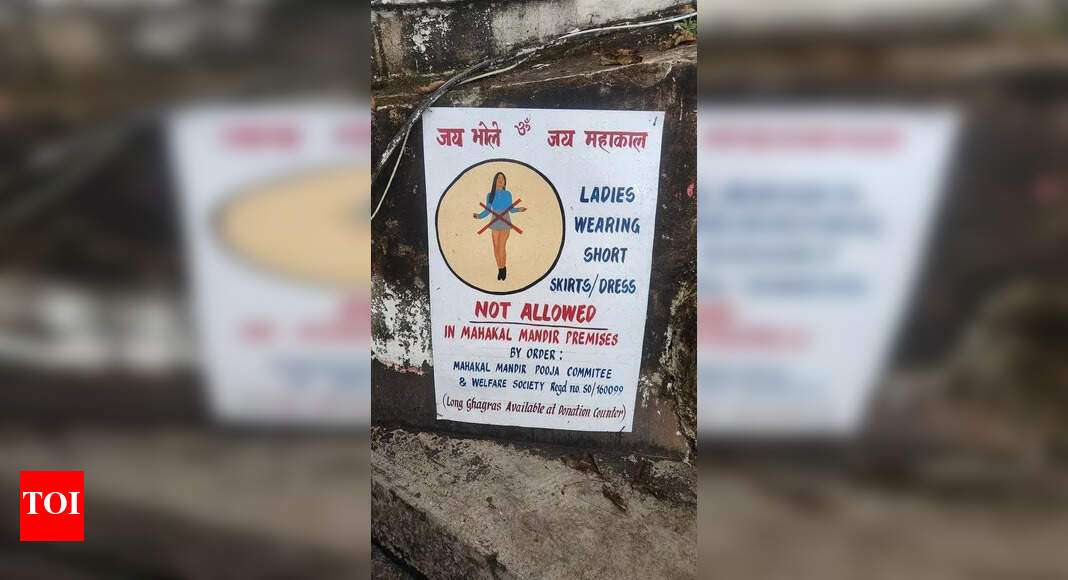
The Mahakal Mandir in Darjeeling has introduced a dress code for women, prohibiting short dresses and skirts, citing reasons of modesty, respect, and adherence to Hindu culture and tradition. The temple committee has made traditional attire available for rent to visitors who do not meet the dress code. The site is notable for its historical Hindu-Buddhist coexistence, with a Hindu priest and a Buddhist monk performing rituals side-by-side.
Original Article: timesofindia.indiatimes.com
[ Sentiment: neutral | Tone: factual ]
This summary and analysis were generated by TheNewsPublisher's editorial AI. This content is for informational purposes only; it does not constitute spiritual or religious advice.
[ Sentiment: neutral | Tone: factual ]
This summary and analysis were generated by TheNewsPublisher's editorial AI. This content is for informational purposes only; it does not constitute spiritual or religious advice.
TNP AI: Key Insights
What is the significance of this dress code from a dharmic perspective? Dress codes in Hindu temples are often implemented to foster an environment of reverence and spiritual focus, encouraging devotees to approach the divine with modesty and respect for established traditions and the sanctity of the deity.
How does Mahakal Mandir exemplify interfaith harmony? The temple uniquely features three Shiva Lingas alongside idols of Lord Buddha, with both a Hindu priest and a Buddhist monk performing rituals, symbolizing a long and peaceful history of Hindu-Buddhist coexistence at the site.
What is the historical context of the Mahakal Mandir? Originally established as the Dorje-Ling Monastery in 1765, the site transformed over time, and after the miraculous appearance of three Shiva Lingas in 1782, it became known as Mahakal Temple, embodying a blend of Hindu and Buddhist spiritual practices.