Lord Shiva's Path to Oneness: The Centrality of Meditation in Spiritual Teachings
Meditation, as exemplified by Lord Shiva, offers a profound pathway to inner peace, self-mastery, and ultimate spiritual liberation within Sanatana Dharma.

Want daily inspiration like this? Subscribe to our newsletter!
Article Summary
The article explains why meditation is fundamental to the spiritual teachings associated with Lord Shiva, the supreme yogi. It highlights Shiva's meditative depiction as a guide for seekers to achieve detachment, conquer the mind, and realize inner wisdom. Ultimately, meditation in Shiva's philosophy is presented as the bridge to pure consciousness, self-mastery, and the experience of oneness with the divine.
Original Article: timesofindia.indiatimes.com
[ Sentiment: positive | Tone: factual ]
This summary and analysis were generated by TheNewsPublisher's editorial AI. This content is for informational purposes only; it does not constitute spiritual or religious advice.
[ Sentiment: positive | Tone: factual ]
This summary and analysis were generated by TheNewsPublisher's editorial AI. This content is for informational purposes only; it does not constitute spiritual or religious advice.
TNP AI: Key Insights
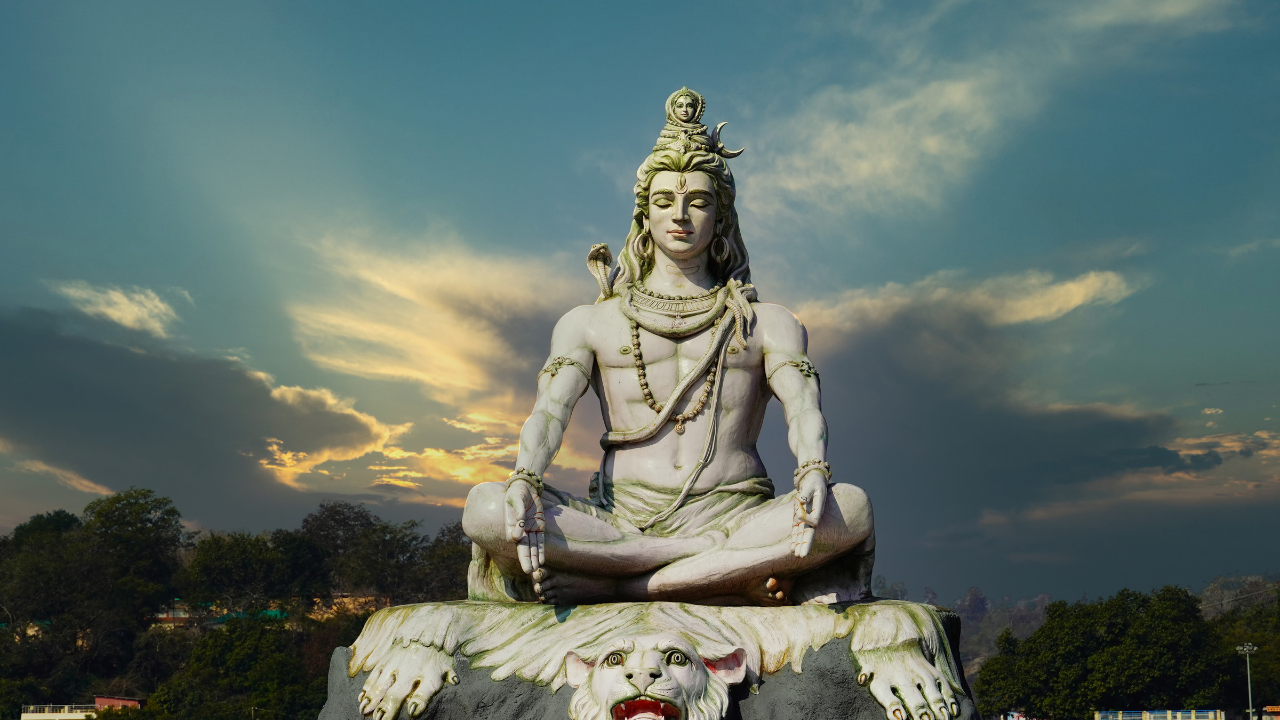
How does Shiva's meditative posture on Mount Kailash inspire practitioners today? Shiva's iconic depiction symbolizes the ideal state of inner tranquility and mastery over senses, encouraging seekers to cultivate similar detachment and focus in their own spiritual practice, regardless of their physical location.
What is the ultimate goal of meditation according to Shiva's teachings? The ultimate goal is to transcend individual ego and experience oneness with the divine and the entire universe, leading to profound peace, compassion, and the realization of one's true, infinite nature.
How do Shiva's teachings on meditation relate to broader Sanatana Dharma principles? Shiva's emphasis on inner concentration, self-mastery, and the pursuit of pure consciousness resonates deeply with core principles across various Hindu traditions, including the Yoga Sutras and Upanishadic wisdom, which advocate for spiritual liberation through self-realization.